
The Book's Two Historical Layers
I ChingThis flow traces Legge's separation of the ancient hexagram text from the later commentaries that came to accompany it.
increasing Bearing strength in each event
 decreasing
Bearing strength in each eventdecreasingConfucius Encounters the Classic
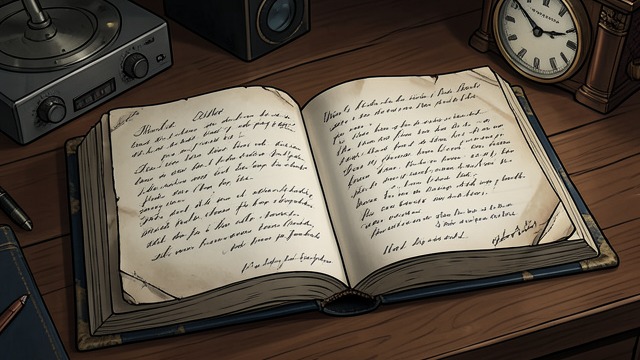
A Classic Already in Circulation
The remembered encounter
Confucius is said to have wished for decades more to study the Changes. Legge takes the report as evidence that the book existed before the sage's death.
The saying introduces a reader's long struggle with a difficult text. It also separates the classic's earlier formation from the later intellectual work it inspired.
Text and additions
The book received appendixes traditionally attributed to Confucius. Legge insists that this familiar arrangement obscures the difference between its parts.
His historical narrative begins with that distinction: the received classic is a layered work, not a single composition from one age.
The Text Takes Shape
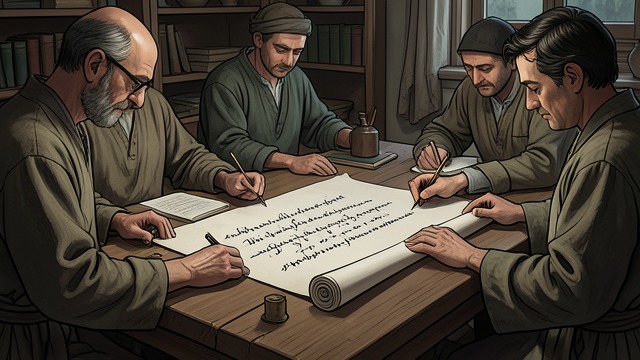
Formation of the Text
A received tradition
Legge assigns the core text to King Wen and Duke of Zhou, writing in the final centuries of the Shang and early Zhou transition.
King Wen's brief judgments treat whole hexagrams; the Duke of Zhou's line statements extend interpretation into each position. The two contributions form the book's earliest literary layer.
A political horizon
Legge reads the work against a disordered kingdom and the pressure on the Zhou house. Its cryptic counsel becomes intelligible when placed beside political danger and the prospect of action.
The text's age matters because its statements are not, in Legge's account, products of the later commentarial philosophy.
Commentarial Wings Accumulate
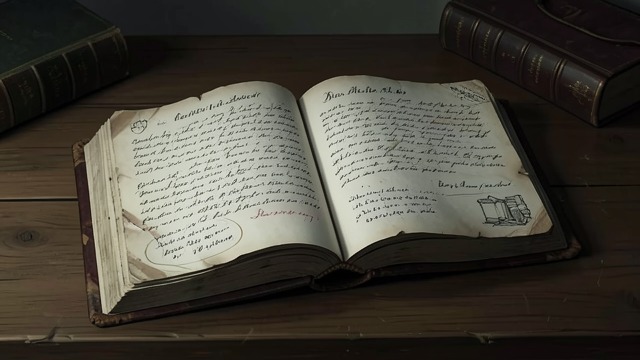
A Later Explanatory Tradition
The appendixes emerge
Legge places the appendixes several centuries after the core text, in a broad period following Confucius. They discuss symbolism, divination, nature, and the hexagrams' sequence.
Their vocabulary and interests differ from those of the short judgments and line statements. Legge treats that mismatch as a clue to their later composition.
One book, several voices
Tradition joined the appendixes to the text and credited them to Confucius. Legge instead asks readers to distinguish historical layers before drawing conclusions about authorship.
The resulting narrative is one of accumulation: later readers did not merely preserve the classic; they reshaped how it could be understood.
The Classic Survives the Fires

Survival Through Political Destruction
An exception for divination
During Qin Shi Huang's book burning, books on divination were exempted from destruction. Legge explains that the Changes survived because it was treated as such a book.
The episode gives the classic a precarious historical passage: its preservation depended partly on a classification that later interpreters would contest.
Continuity after catastrophe
The exemption preserved a text whose use and interpretation continued to expand. Legge cites later catalogues and scholarly traditions as signs of its enduring circulation.
Survival does not mean that the book remained unchanged in meaning. Its transmission carried both the ancient text and the later traditions that Legge works to separate.
Legge Reorders the Reading

Reading the Layers Apart
A new method
Legge says that his first translation, written decades earlier, failed because he had not grasped the book's scope. Later study persuaded him to examine the text independently from its appendixes.
Separate concordances helped him see that major concepts in the commentaries did not occur in the core text. His method turned textual difference into historical evidence.
A revised interpretation
He presents the core as a set of moral, social, and political essays expressed through hexagrams, rather than as an abstract cosmology.
The change of method is the culmination of his own intellectual story: patient rereading replaces the assumption that the received arrangement speaks with one voice.
Late in Confucius's life
Twelfth century BC
Confucian period, c. 450–350 BC
213 BC
1882, during preparation of the translation
